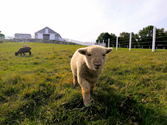
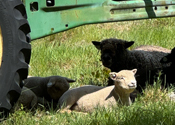
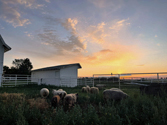

I know several of my fellow breeders noticed my Facebook post about sending Babydoll lambs to the University of Minnesota for a heart valve study. It goes to show how versatile our breed of little sheep can be and how they can improve someone’s quality of life. Here is the story of some little lambs from my farm.
In late summer of 2025, I received an e-mail about the availability of Babydoll lambs. This is not unusual, but it was from the University of Minnesota Animal Research Lab. I first thought it was a scam but I contacted them to learn they were doing a heart valve study and only wanted Babydoll lambs. I knew they had been doing research with lambs for several years, but that was on larger sheep breeds. This new study was for a new type of valve the U of MN had developed, and they wanted a smaller, slower growing lamb that came closer to the size of a human infants heart.
We were originally going to use fall born lambs but because things were so new and with scheduling issues, we changed gears and decided to go with February lambs when they were more ready at the U of MN and I had more lambs available.
The information on this new heart valve is still pretty new and vague, and they are not putting a lot of info out on it yet. So, if I don’t give detailed info, it’s because I don’t know either. What I am saying is it was developed by the U of MN medical department. It is designed for infants as a heart valve replacement and is intended to grow along with the child’s developing health.
Since it grows and expands, the idea is to eliminate the numerous invasive surgeries to replace heart valves as they are doing now. The valve was designed by the U of MN and manufacturing is done by a small local company.
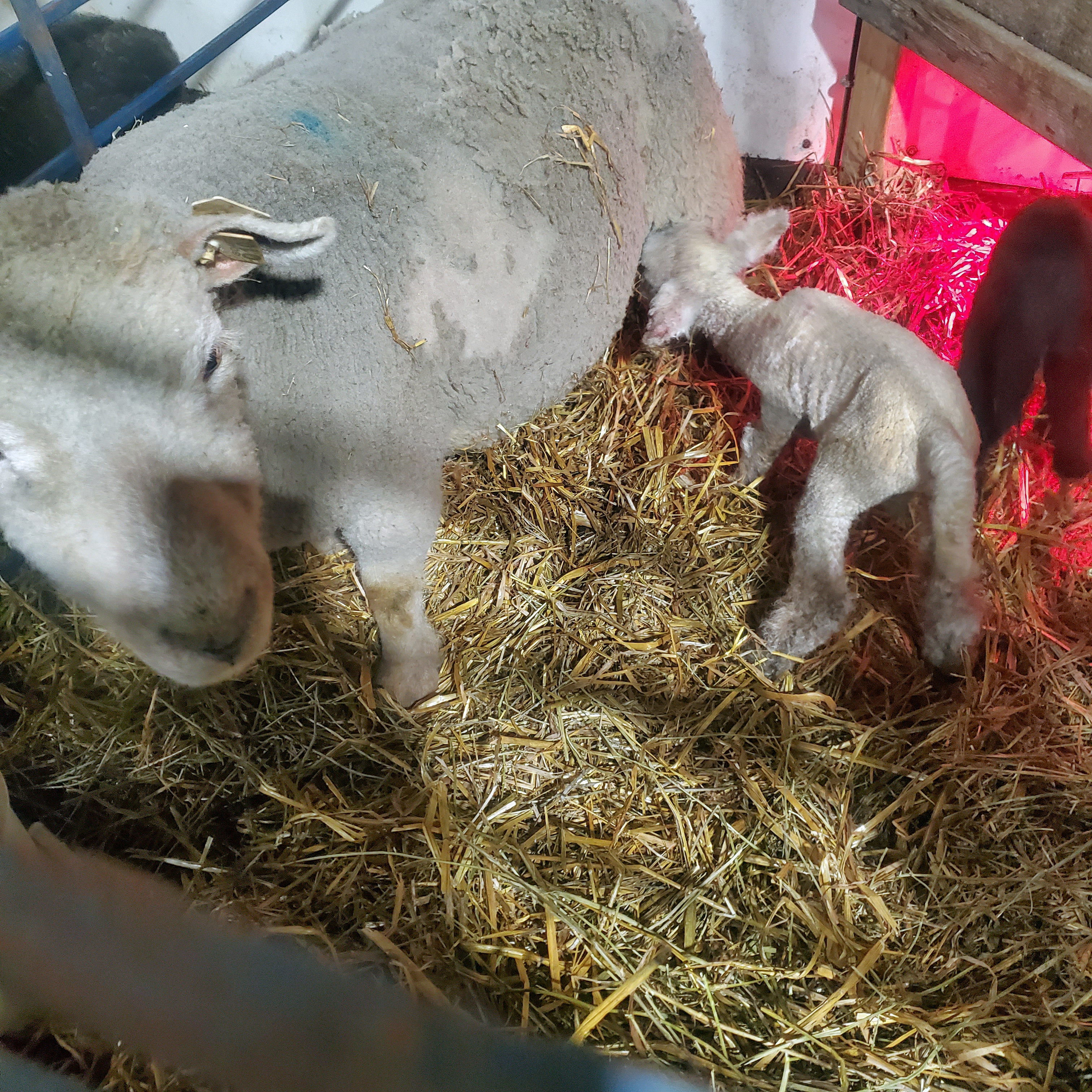
I am happy to be part of this not only because of the implications for the future, but because the big, for-profit pharma companies are not involved. To say I was asked to be involved in this is an understatement. However, all the hoops to jump through made me think twice. It may sound simple, have some lambs and deliver them to the lab. Now, is when it gets tricky. The U of MN animal lab is a busy busy place. Procedure scheduling is done 30-60 days in advance. So having lambs born and ready at the correct time was stressful. First, you are dealing with ewes who do what they want when they want. Next was getting ram lambs and not ewe lambs. And we were dealing with a tight window to get lambs born at the correct time -- they needed to be born either on a Wednesday, Thursday or Friday. After birth, they needed to have their shots and tails banded along with a veterinarian inspection for health papers. Delivery was on Monday to the U of MN campus, so they could go through the quarantine period and do ultrasounds on the lambs to check the size of the heart and arteries. The procedure was scheduled for Thursday, so they were just a week old. Lucky for us, a ewe had twins on Wednesday and another delivered a single on Friday. So on Monday morning I left Elmdale Farms for the 3 ½ hour trip to the cities which was definitely a noisy trip. Moms where in the topper, in the back of the truck, and three little lambs in a pet carrier on the back seat. We all made it in fine shape and the families were reunited and quickly wheeled off to their new home. The mothers will stay until weaning and the lambs will remain at the University for study and observation.
As I mentioned earlier, the first surgery was on Thursday with an unfortunate outcome. One lamb died during the surgery, but what they learned lead to two successful transplants. The second procedure was such a success they asked for a third lamb. Both are doing great.
What a wonderful thing that our ‘little’ breed of sheep was selected for this unique study. Just another reason we can be proud and excited for the Babydolls.
I am sharing this with all Babydoll breeders. If our breed can contribute to improving the quality of life for someone, we can all be commended for our dedication to the breed.
 |
 |
| © NABSSAR 2001-2026 |